
Class 8 Tractor Collision Repair in Greeley, Colorado
A Class 8 tractor works every day. When it is down, work stops. Fleet Collision Services repairs collision damage on day cabs and sleeper tractors. We serve owner operators, fleets, and companies across Colorado and the United States.

20+ Client Reviews

Let’s Get In Touch
"*" indicates required fields
Home » Tractors
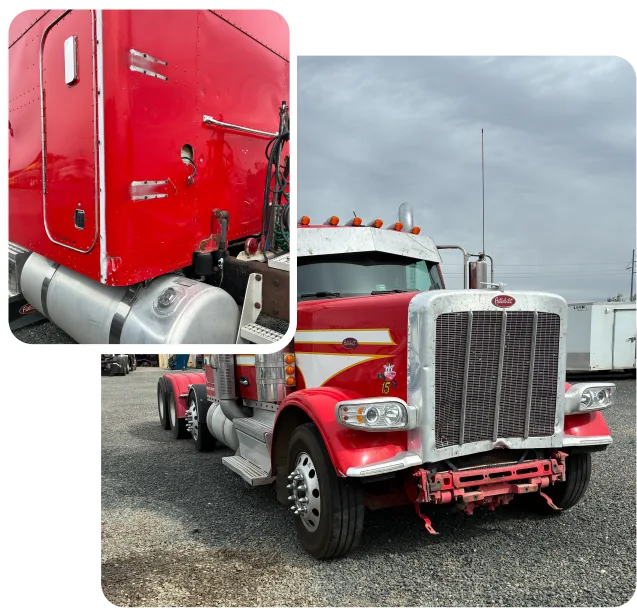
Impact Zones
What Gets Hit First on a Day Cab or Sleeper
Tractor damage occurs in common places. The hood often takes the first hit in a low speed front end collision. Cab corners get crushed during jackknifes. Fairings and chassis skirts can crack from trailer swing, curbs, or road debris.
Front and rear bumpers are pushed in during parking lot impacts or front end hits. Fuel tanks and tank straps get dented or bent from curbs and tight turns. The deck plate and catwalk behind the cab can be damaged during trailer hookups or shifting loads.
Steps are often crushed against curbs. Mirrors are broken by tight spaces, passing traffic, or backing accidents. Sleeper side and rear panels can be damaged by trailer contact, loading docks, or low clearance obstacles.
The Hood
The hood is the part that gets damaged most often on a tractor. It is also one of the most expensive parts to replace.
Many fiberglass hoods crack around the hinges and latch points. Small stress cracks can spread if they are left alone. Not every damaged hood needs to be replaced. Some hoods can be repaired, depending on the damage.
Replacing a hood can be a logistical challenge if not planned properly. Hoods are large and expensive to ship. Choosing the right hood model is crucial and returns are often not an option. Fortunately, Fleet Collision stocks hoods locally so we can ensure you get the right hood quickly to get you back on the road.
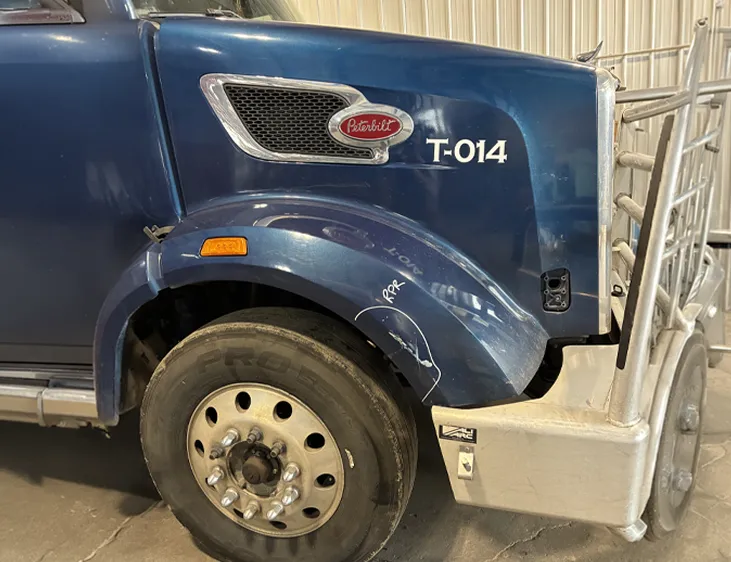
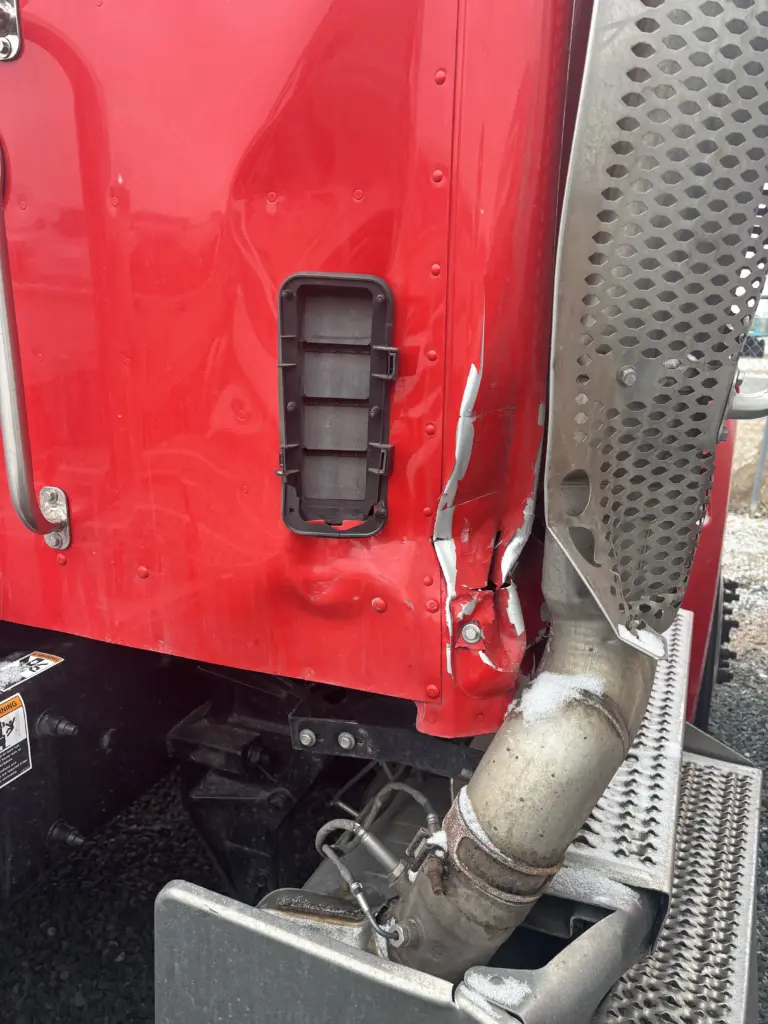
Cab Corners, Fairings, Bumpers, and Fuel Tanks
Cab and sleeper corners are commonly damaged by curbs and loading docks. Fairings, side skirts, and sleeper side or rear panels can crack, tear, or pull loose after contact with trailers or other obstacles.
A loose fairing or skirt is not only a cosmetic problem. At highway speed it can tear away and damage more of the truck.
Front and rear bumpers can bend or get pushed back during a collision. Fuel tanks can be dented, and tank straps can bend from impacts with curbs or debris. Steps and battery box assemblies can be crushed during low speed contact. The deck plate behind the cab can also be bent or damaged during an accident.
Damaged Hood? Keep the truck earning
Ask about a loaner hood so your unit can stay in service while we repair or replace yours.
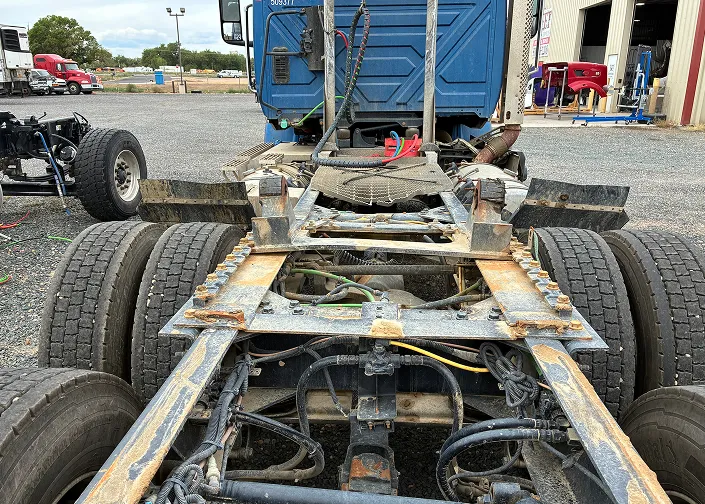
Frame, Fifth Wheel Area, and What Is Under the Sheet Metal
Damage is not always limited to what you can see.
A hit hard enough to fold a bumper or crush a cab corner can also damage inner structures, move mounts, or bend frame rails. That is why the shop checks under the visible damage during the estimating process before starting any work.
If the collision reaches beyond the body panels, frame repair and mechanical repair are available as part of the work.
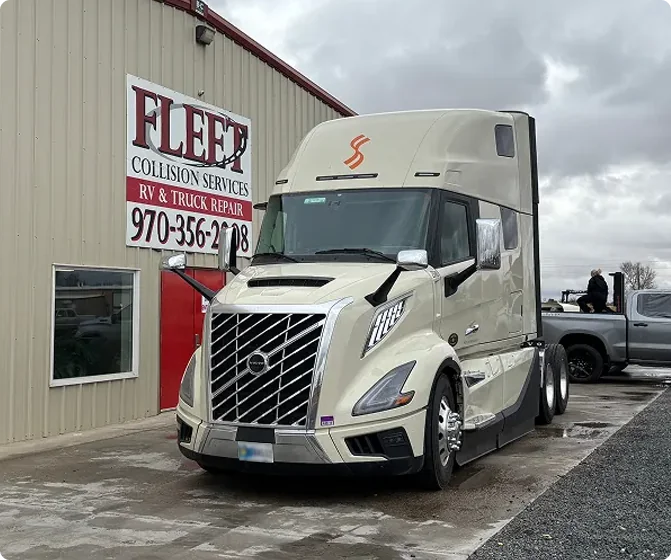
Every Day It Sits, It Is Not Earning
A tractor earns when it is on the road.
If you own one truck, you want a straight answer about the damage and what needs to be repaired. You also want to get back to work.
If you manage a fleet, one truck out of service affects schedules across the yard. You also need updates and repair documentation.
A dedicated office team keeps customers informed through the whole repair process so you know where the repair stands.
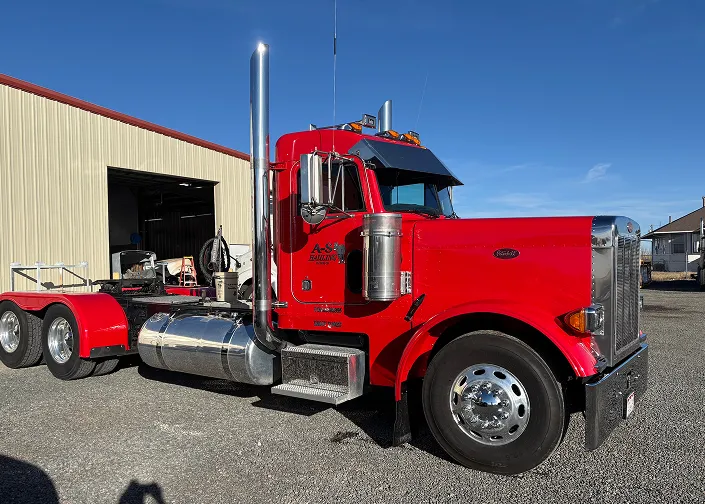
Paint, Polish, and Putting Your Name Back On
After repairs are complete, damaged panels can be refinished in the shop’s 60 foot Garmat paint booth.
Matching paint on an older tractor can take extra work because finishes fade over time. The goal is to match the repaired area as closely as possible.
Fuel tanks and trim can be polished after repairs. If decals or lettering had to be removed during the repair, new decals and lettering can be installed after painting.
Contact Us
Bring Your Tractor In
Bring your tractor to Fleet Collision Services at:


Let’s Get In Touch
"*" indicates required fields
Frequently Asked Questions
My hood is damaged. Can you repair it or do I need a new one?
It depends on where the crack is and how much damage the hood has sustained. Non structural cracks in fiberglass and plastic hoods can typically be repaired. Individual panels on aluminum hoods can be replaced instead of replacing the entire hood. Cracks around hinge or latch areas, or damage that has spread through the panel, may require replacement. The hood is inspected before recommending a repair.
Can I keep the truck running while you wait on parts?
Ask about a loaner hood if your hood is being repaired or replaced. The Loaner Hoods program may allow your unit to stay in service while the repair moves forward. The shop can explain whether that option fits your repair.
Are aluminum panels repairable or do they need to be replaced?
Some damage can be repaired on aluminum panels but it depends on the severity. Gouges that are too deep or too long often require a panel replacement. Aluminum panels are typically available and relatively inexpensive so replacement can often be the best solution.
Can you match the paint on an older tractor that has faded?
Yes. Older paint often fades from years on the road. The repaired panels are refinished in the paint booth, and the paint is matched as closely as possible to the existing finish.
Do you check the frame after a front end hit, or just the body panels?
Yes. The visible body damage is only part of the inspection. A collision that bends a bumper or damages the cab can also affect mounts or frame rails. The shop checks under the sheet metal before quoting repairs and provides frame repair and mechanical repair when needed.